|
BMUKN-Newsletter International
|
|
Dear readers,
|
2025 was an eventful year – also for the Federal Environment Ministry and the issues in its portfolio, environmental protection, climate action, nature conservation and nuclear safety.
The beginning of the year was shaped by a change of government in Germany. After the reshuffle, Carsten Schneider took up office as Federal Environment Minister, and the ministry took over responsibility for national and international climate action once more.
COP30 was a highlight at international level. The outcomes of the COP, held in Belém, Brazil, meant especially great progress on implementing climate measures, for instance in climate adaptation and rainforest conservation.
Another achievement in 2025 was the adoption of two acts enabling Germany to ratify and implement the UN BBNJ Agreement. The agreement establishes the first globally uniform rules for the high seas. Germany is a driving force in international cooperation on ocean protection and is already working with partners on first proposals for marine protected areas beyond national jurisdictions.
We wish you happy holidays and an excellent start for the New Year!
Your public relations team in the Federal Environment Ministry
|
|
© kaschibo - stock.adobe.com
|
|
Species Protection
|
05.12.2025
|
|
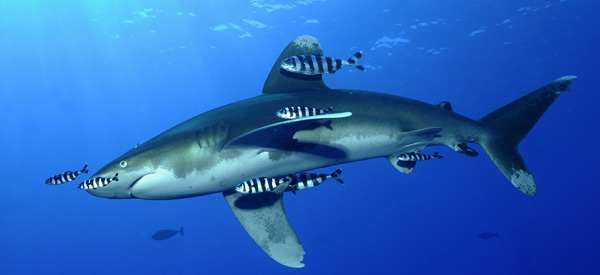
Stricter protection for endangered sharks, frogs and plants
The Parties to the Washington Convention on International Trade in Endangered Species of Wild Fauna and Flora (CITES) adopted comprehensive trade restrictions and bans to protect critically endangered animal and plant species. A particular achievement was enhanced protection for sharks and rays, the most endangered vertebrate class after amphibians. Germany was a strong supporter of these proposals.
Read more
|
|
|
|
Marine Conservation
|
03.12.2025
|
|
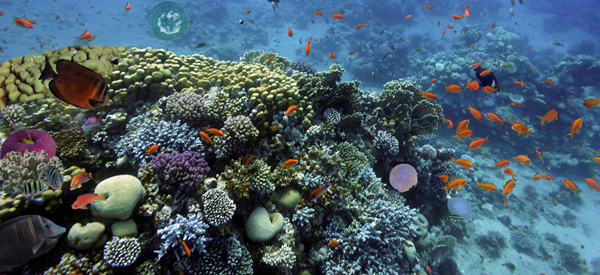
Germany adopts legislation to join the UN BBNJ Agreement
The UN Agreement on the Conservation and Sustainable Use of Marine Biological Diversity of Areas beyond National Jurisdiction, adopted in 2023, establishes the first uniform environmental rules on the high seas for all countries. In addition, there will be environmental impact assessments of human activities in the oceans. Germany has now adopted two acts that make it possible to ratify and implement the agreement. 75 countries including the EU have now ratified the agreement. It will enter into force on 17 January 2026.
Read more
|
|
|
|
|
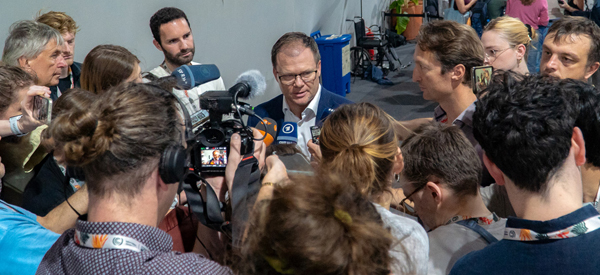
UN Climate Change Conference in Belém: Great progress on implementation
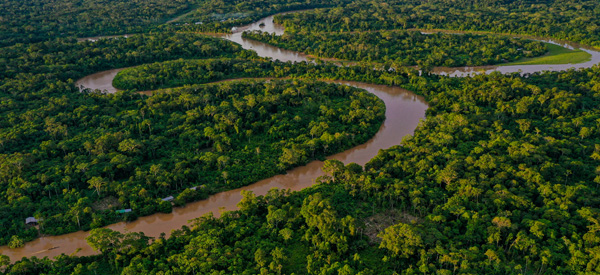
One major outcome of this year’s UN Climate Change Conference was achieved at the conference opening: 122 countries submitted their updated nationally determined contributions. Brazil and the upcoming Presidency were charged with starting a process to accelerate the global implementation of these targets. Other positive developments include progress on worldwide adaptation to climate change and cooperation for socially just climate action. Germany will make one billion euros available for a new tropical forest fund initiated by Brazil at COP30.
Read more
|
|
|
|
|
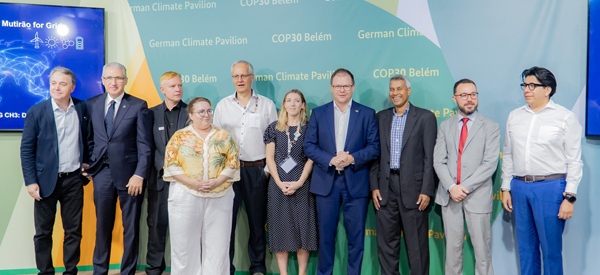
Germany and its partners announce measures to accelerate grid expansion worldwide
Together with counterparts from Europe, Latin America, Africa and Asia, Germany is working to drive forward the global expansion of electricity grids and storage systems. Federal Environment Minister Carsten Schneider presented this package of measures at the UN Climate Change Conference in Belém, along with other countries. Electricity grids are key to harnessing the rapid growth in electricity generated from renewable energy sources. Environment Minister Schneider remarked: "Renewable energy sources are becoming increasingly efficient and affordable all over the world. However, they can only reach their full potential with powerful grids and storage systems."
Read more
|
|
|
|
© iStock.com/FrankyDeMeyer
|
|
|
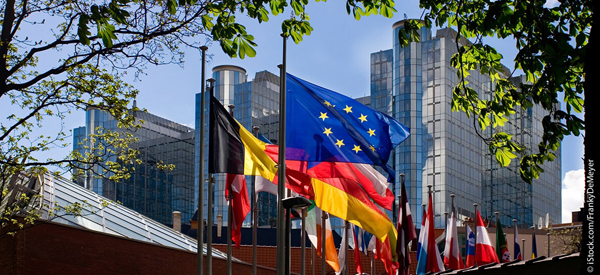
EU 2040 climate target is set
In the run-up to the UN Climate Change Conference, the EU established its nationally determined contribution for 2035 at the beginning of November. The aim is to reduce emissions in the EU between 66.25 and 72.5 percent by 2035. As an interim target on the way to 2040, it represents an emissions reduction of 90 percent compared to 1990. Five percent of the mitigation at most can be achieved by counting international credits.
Read more
|
|
|
|
© iStock.com/JarnoVerdonk
|
|
|
Germany remains reliable partner in global climate policy
Germany fulfilled its pledge on international cooperation for climate action and adaptation in 2024. With contributions totalling over 11.8 billion euros, it is the highest annual amount given by Germany. Carsten Schneider emphasised: "Germany maintains its spirit of solidarity and stands by its commitments to international cooperation."
Read more
|
|
|
|
|
Germany and international partners step up to combat environmental crime
Illegal logging, fishing and wildlife trade are responsible for annual damages amounting to trillions and pose a threat to the climate, biodiversity and human rights. In the GAIA project under the International Climate Initiative (IKI), the Federal Environment Ministry, INTERPOL and WWF are working together across borders to investigate environmental crimes, to date with 225 arrests and over 400 solved cases. Germany attaches great importance to international cooperation to protect nature and the stability of global ecosystems.
Read more
|
|
Legal Notice
|
Published by:
Federal Ministry for the Environment, Climate Action, Nature Conservation and Nuclear Safety (BMUKN)
Stresemannstraße 128-130, 10117 Berlin
|
|
|
Responsibility under the Interstate Agreement on Media:
Nikolai Fichtner, Spokesperson of the Minister and Deputy Head of Communications Staff
|
|
|
Edited by:
Working Group KS 2: Public Relations, Social Media, Public Communication
|
|
|
Production:
coding. powerful. systems. CPS GmbH
|
|
|
|